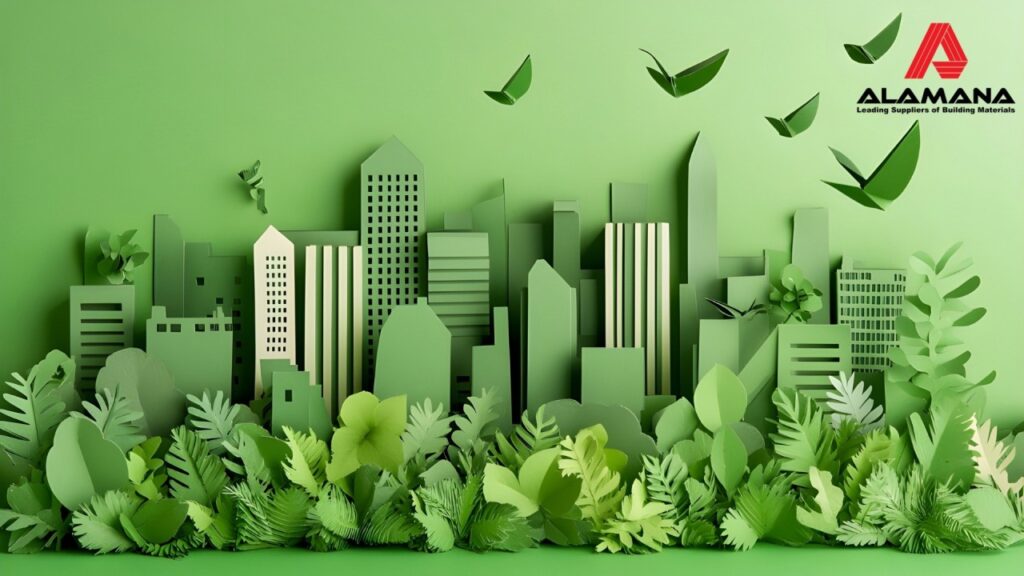
The boardroom conversation has changed. A decade ago, sustainability was treated as a corporate social responsibility footnote, admirable, optional, and frequently underfunded. Today, it is a strategic imperative that determines who wins contracts, attracts investors, retains talent, and earns the trust of governments and communities alike.
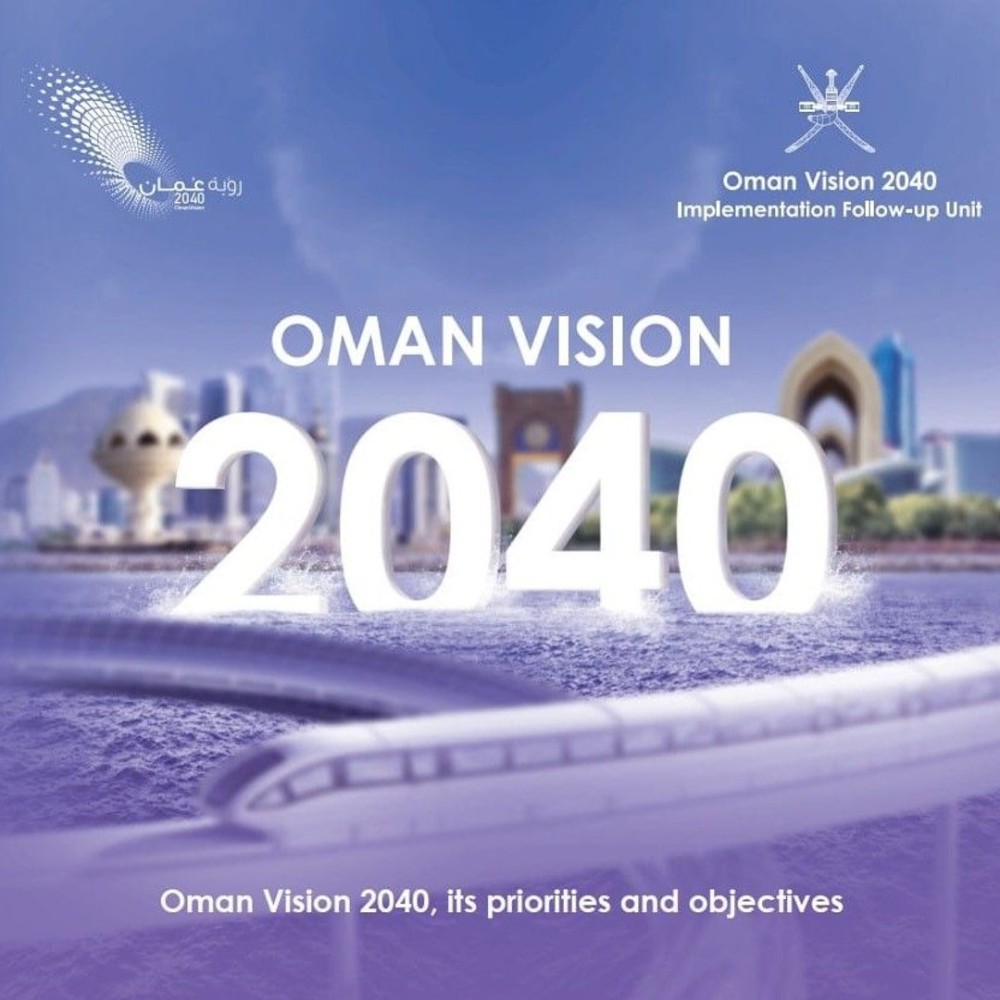
Across the Gulf and beyond, the shift is unmistakable. Oman’s Vision 2040, the UAE’s Net Zero by 2050 target, and Saudi Arabia’s Green Initiative are collectively redirecting billions of dollars toward sustainable infrastructure. For corporates, especially those in the construction and building materials sector, this is not a disruption. It is an invitation.
Key Industry Numbers -39% of global CO2 emissions come from buildings & construction
$24.7T in sustainable infrastructure investment needed by 2030 globally
3x more likely, ESG-leading firms to outperform peers over 5 years
Why the Construction Sector Sits at the Heart of the Sustainability Story
Few industries carry as much environmental weight as construction. The materials we choose, the processes we adopt, and the structures we leave behind define the carbon legacy of entire generations. Concrete, steel, glass, and chemical formulations, the very bones of modern civilization, collectively account for a staggering portion of global resource consumption and greenhouse gas emissions.
But here is the opportunity hiding inside that challenge: no sector has more power to move the needle. When a construction company or building materials supplier makes a deliberate pivot toward sustainable sourcing, low-carbon formulations, and circular design principles, the downstream impact is enormous, one project, one specification, one material choice at a time.
The Three Pillars Every Corporate Must Anchor To
Environmental Responsibility
Reducing carbon footprints through green procurement, low-VOC materials, energy-efficient products, and waste-minimizing processes.
Social Accountability
Ensuring workforce safety, fair supply chains, community investment, and inclusive hiring practices that reflect the societies we serve.
Governance & Transparency
Adopting ESG reporting standards, anti-corruption practices, and responsible leadership that earns stakeholder trust over the long term.
What “Sustainable Building” Actually Looks Like on the Ground
Sustainability in construction is not an abstract concept, it is visible in every specification sheet, every product selection, and every site decision. It means choosing waterproofing systems that extend structural lifespan and reduce future remediation. It means fire protection solutions that safeguard lives without releasing toxic compounds into occupied spaces. It means sanitary fittings engineered to reduce water consumption by design, not as an afterthought.
It means asking the right questions before a single brick is laid: Where was this material sourced? What is its embodied carbon? Can it be recycled at the end of its life? Does it contribute to LEED, BREEAM, or Estidama certification targets?
The Al Amana Commitment to Sustainable Construction
With over 60 years of presence in Oman’s construction landscape, Al Amana Building Materials Co. LLC has long understood that durability and sustainability are not competing values, they are complementary ones. Our portfolio of construction chemicals, fire protection systems, fall arrest solutions, sanitary fittings, and precision tile systems is curated with world-class global brands that share our belief: quality materials that last are the most sustainable materials of all.
Five Actions Every Corporate Can Take Right Now
1. Conduct a Sustainability Audit. You cannot manage what you do not measure. Map your supply chain, quantify your Scope 1, 2, and 3 emissions, and identify your highest-impact product or process categories.
2. Embed Green Procurement into Standard Practice. Require Environmental Product Declarations (EPDs) from suppliers. Prioritize materials with recycled content, low embodied carbon, and regional sourcing to cut logistics emissions.
3. Align with Regional Green Building Standards. Whether it is LEED, BREEAM, or Oman’s own green building framework, understand the certification pathways and ensure your material choices contribute to these targets.
4. Invest in People and Safety. Sustainability is also social. Robust fall arrest systems, proper fire protection, and health-safe chemical formulations are not optional, they are the baseline of an ethically operated business.
5. Communicate Transparently and Consistently. Publish your sustainability commitments. Share your progress, even when it is imperfect. Stakeholders, clients, and regulators increasingly reward honesty over perfection.
The Business Case Is No Longer a Debate
Sustainable businesses attract better capital. Green-certified projects command premium valuations. Clients, especially government entities and multinational developers, are requiring ESG compliance from every link in the supply chain. Talent, particularly the rising generation of engineers, architects, and procurement professionals, actively chooses employers whose values align with their own.
The question is no longer whether sustainability is good for business. The evidence is conclusive: it is. The question now is how quickly your organization can make it part of its operational DNA rather than a separate department or an annual report chapter.
The Road Ahead: Building Oman’s Green Future Together
Oman is at a pivotal moment. With large-scale infrastructure projects, from smart cities to expanded tourism zones to industrial corridors, on the national agenda, the choices made today about materials, methods, and suppliers will shape the country’s built environment for decades. Every stakeholder in the construction ecosystem, developers, contractors, consultants, and materials suppliers, has a role to play.
At Al Amana, we believe that a legacy of 60 years is not a reason to be comfortable; it is a responsibility to lead. Our commitment to sourcing sustainable, durable, and high-performance building materials from globally trusted brands is our contribution to a greener Oman and a better-built world.
Let us build a more sustainable future – together.
Explore Al Amana’s range of sustainable building materials, or connect with our team to discuss specifications for your next green project.
Visit: alamana.om | Follow us: linkedin.com/company/alamanaom
We craft seamless experiences that transform your spaces with high-quality materials and skilled expertise.
Company
Get in touch
- Head Office
- +968 24815080
- Al Amana - Home Design Centre
- +91106036, +99357490
- Landline
- +22700146