
Tiles are one of the most important finishing materials in any property.
They influence how a space looks, how easy it is to maintain, how comfortable it feels, and how well it performs over time. Whether the project is a modern apartment, a luxury villa, a hotel, an office, a showroom, or a commercial building, the right tile selection can completely change the final result.
In Oman, homeowners, architects, interior designers, developers, and contractors are paying more attention to tile quality, size, finish, durability, and maintenance. Today, tiles are no longer selected only based on colour. They are chosen according to the purpose of the space, the design concept, traffic levels, cleaning needs, and long-term performance.
From large-format tiles and porcelain surfaces to mosaics and decorative finishes, every tile type has a different role.
Choosing correctly helps create spaces that are elegant, practical, and built to last.
Why Tile Selection Matters
Tiles cover some of the largest visible surfaces in a property.
They are used on floors, walls, bathrooms, kitchens, balconies, entrances, corridors, swimming pool areas, and commercial spaces. Because of this, even a small mistake in tile selection can affect the entire design.
The right tiles can:
- Make a room appear larger
- Improve the flow between spaces
- Create a premium finish
- Make cleaning easier
- Support heavy foot traffic
- Improve safety in wet areas
- Reduce long-term maintenance
- Increase the overall appeal of a property
A good tile is not only attractive. It must also suit the environment in which it will be installed.
Start with the Purpose of the Space
The first step is to understand where the tile will be used.
A living room tile has different requirements from a bathroom tile. A villa terrace needs a different surface from a hotel lobby. A commercial showroom floor must handle more traffic than a private bedroom.
Before selecting any tile, consider:
- Is the area indoors or outdoors?
- Will the floor become wet?
- How much daily foot traffic will it receive?
- Does the surface need to be slip-resistant?
- Will it require frequent cleaning?
- Should the design feel warm, minimal, luxurious, or natural?
- Is the space compact or large?
These questions help narrow down the right material, size, finish, and texture.
Why Ceramic Tiles Remain a Popular Choice
Ceramic tiles continue to be widely preferred by homeowners, designers, and commercial property owners because they offer a practical balance of design, durability, and value.
One of their main advantages is their lighter weight, which can make handling and installation easier in suitable wall and floor applications. Ceramic tiles are available in a wide range of colours, patterns, sizes, and textures, making them easy to match with different interior styles.
Customers can choose from glossy finishes that create a bright and polished appearance or matt finishes that offer a softer, more contemporary look. Textured ceramic tiles can also add depth and character to bathrooms, kitchens, feature walls, and other interior spaces.
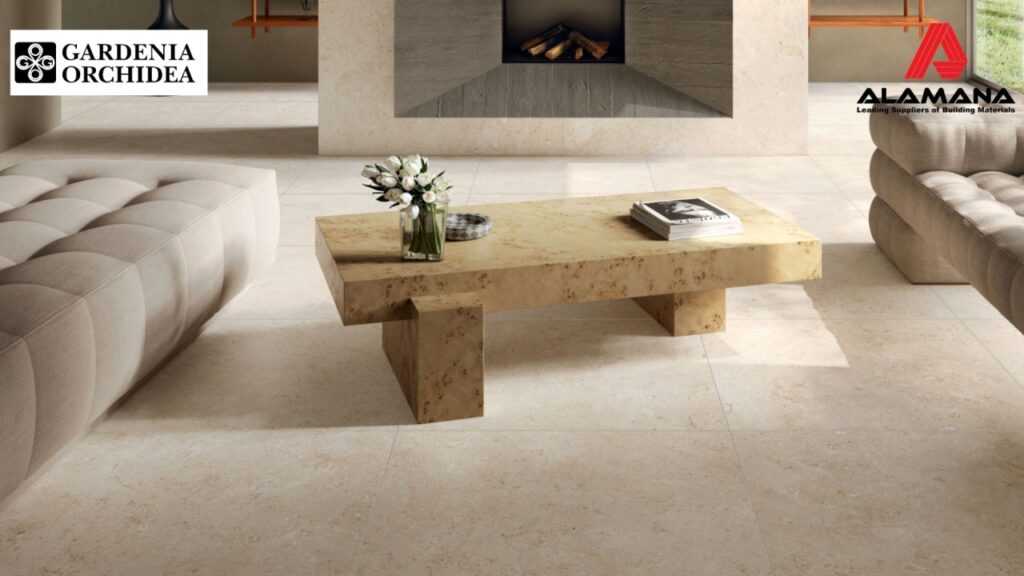
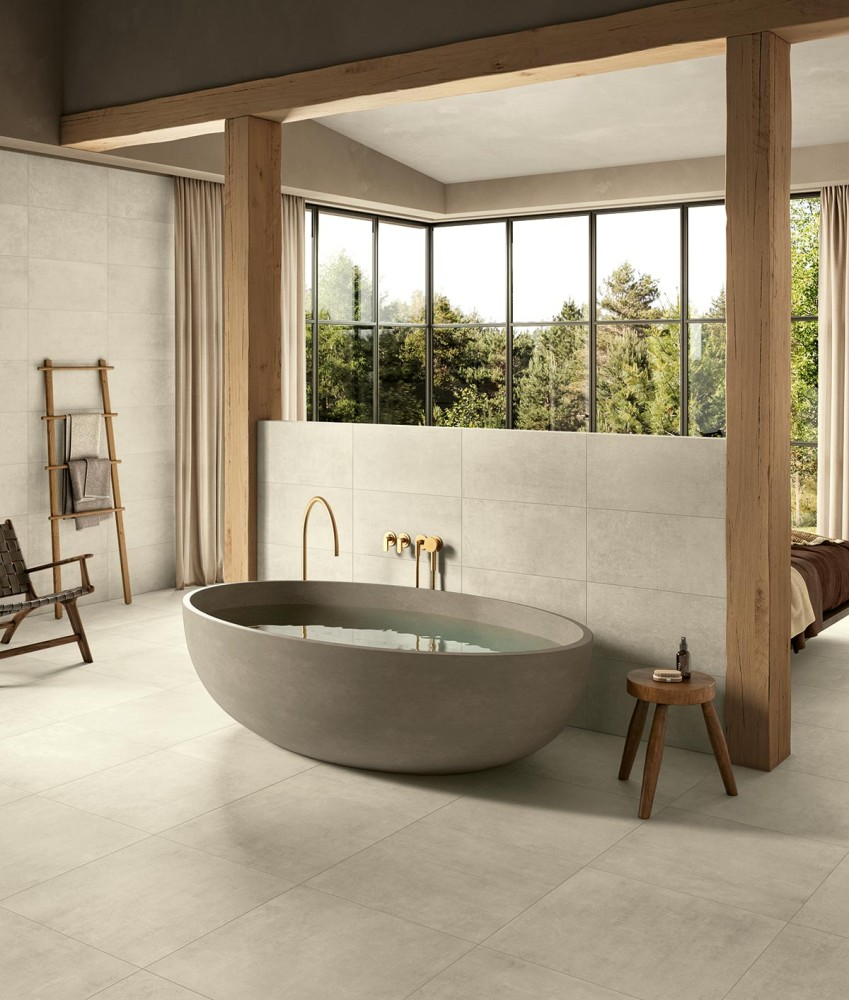
Ceramic tiles are commonly selected for:
- Bathroom walls and floors
- Kitchen walls and backsplashes
- Living areas
- Bedrooms
- Feature walls
- Apartments and villas
- Offices and commercial interiors
They are also durable, easy to clean, and suitable for spaces where attractive design and practical maintenance are equally important.
With Al Amana’s range of ceramic tile solutions, homeowners and commercial project teams can explore multiple designs, textures, and finishes for different interior requirements.
Large-Format Tiles for a Spacious and Premium Look
Large-format tiles are becoming increasingly popular in modern interiors.
Tiles measuring 60 × 120 cm and larger can create a cleaner and more continuous appearance because they reduce the number of visible grout lines. This gives rooms a more spacious and premium look.
Large-format tiles are especially suitable for:
- Living rooms
- Villa entrances
- Open-plan spaces
- Hotel lobbies
- Premium bathrooms
- Commercial reception areas
- Feature walls
They work well in modern interiors where clean lines and visual continuity are important.
Large tiles can also make smaller rooms appear less crowded. However, they require careful planning, proper surface preparation, accurate cutting, and skilled installation. Uneven floors or poor installation can affect the final finish.
For this reason, product selection and installation planning should happen together.
Why Porcelain Tiles Are a Strong Choice
Porcelain tiles are widely used in modern residential and commercial projects because of their strength, low water absorption, and design flexibility.
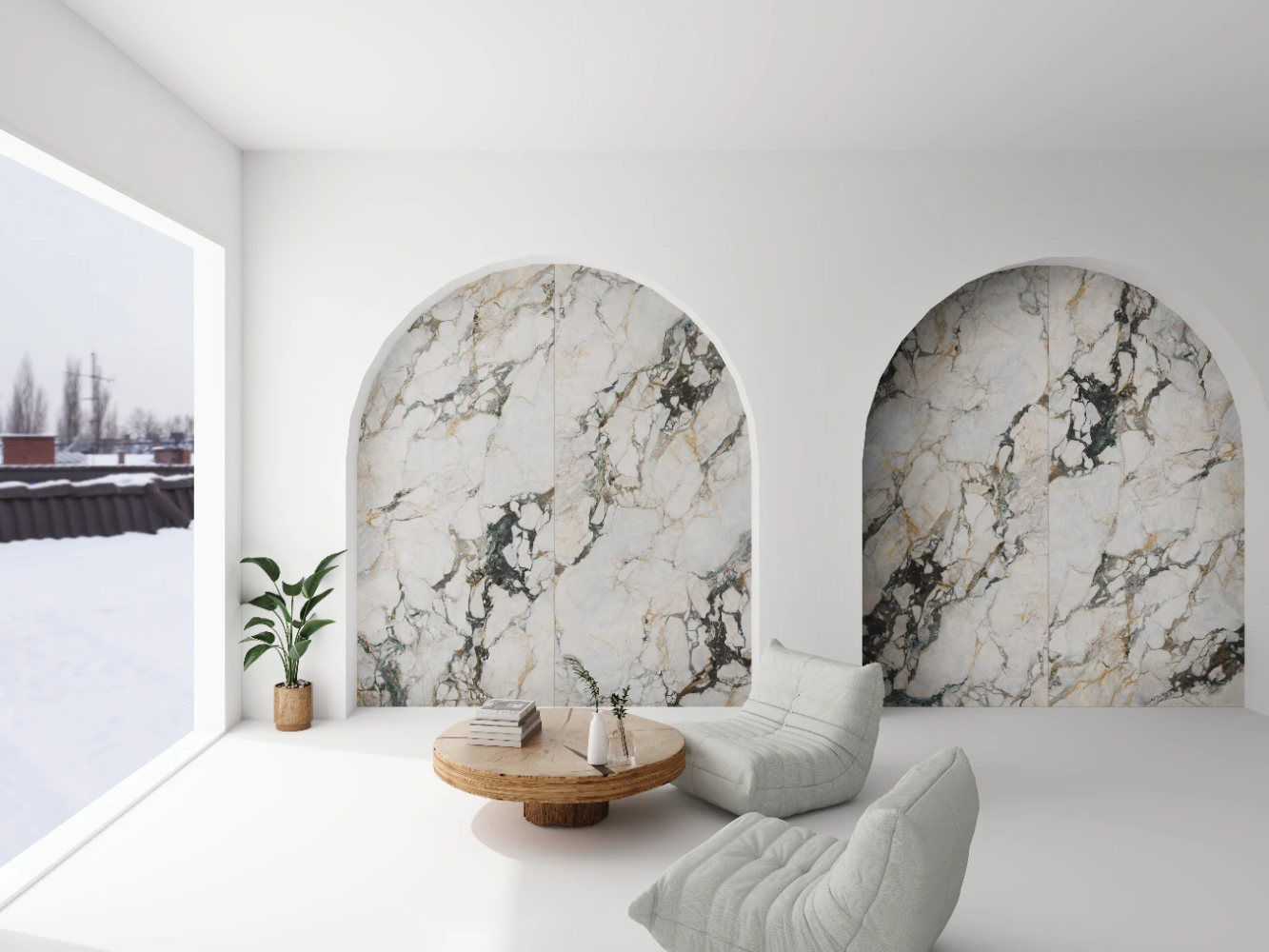
They are suitable for high-traffic spaces and can imitate the look of marble, stone, concrete, wood, or other natural materials. This gives architects and homeowners more design options without depending entirely on natural surfaces.
Porcelain tiles are commonly used in:
- Villas
- Apartments
- Hotels
- Retail stores
- Offices
- Restaurants
- Corridors
- Bathrooms
- Outdoor areas, depending on the tile specification
Their durability makes them practical for spaces that need both design and performance.
For modern projects in Oman, porcelain tiles are a strong option because they can provide a premium look while supporting easy maintenance and regular use.
Mosaic Tiles for Detail and Character
Mosaic tiles are ideal for areas where smaller details matter.
They can add texture, colour, pattern, and visual interest to bathrooms, swimming pools, kitchens, feature walls, shower areas, and decorative zones.
Mosaics work especially well in curved or compact areas where large tiles may not be suitable. Their small format provides more flexibility during installation.
They can be used to create:
- Shower niches
- Bathroom feature walls
- Swimming pool finishes
- Kitchen backsplashes
- Decorative borders
- Spa-inspired details
- Accent sections
Mosaic tiles are most effective when used carefully. Too much pattern can make a space feel busy, while a well-planned mosaic detail can become the highlight of the room.
Tiles for Modern Villas
In villas, tile selection affects the complete flow of the home.
Living rooms, corridors, bedrooms, bathrooms, kitchens, terraces, balconies, and pool areas may all require different tile solutions. At the same time, the overall design should feel connected.
Large-format tiles are often used in villa living spaces because they create a sense of openness and luxury. Marble-look porcelain can provide an elegant appearance, while stone-inspired or textured tiles can add warmth.
Bathrooms may use coordinated wall and floor tiles, with slip-resistant surfaces in wet areas. Outdoor sections need materials suited to heat, weather, moisture, and regular use.
Good villa tile planning creates consistency without making every area look exactly the same.
Tiles for Apartments
Apartments often require practical and space-efficient choices.
The right tile can make a smaller room feel brighter, cleaner, and more spacious. Light shades, simple patterns, and fewer grout lines can help create a more open appearance.
Porcelain tiles are useful in apartments because they are durable and relatively easy to maintain. Wall-mounted bathroom tiles, coordinated floor finishes, and compact mosaic details can also help create a premium result within limited space.
For rental apartments or investment properties, maintenance is especially important. Tiles should be selected for long-term use, easy cleaning, and broad design appeal.
Tiles for Commercial Projects
Commercial spaces need flooring that can perform under heavier use.
Hotels, restaurants, offices, showrooms, retail stores, hospitals, and public areas receive more foot traffic than homes. Their tile selection should consider durability, slip resistance, cleaning frequency, visual identity, and replacement needs.
For commercial projects, important factors include:
- Traffic level
- Surface strength
- Ease of maintenance
- Safety
- Stain resistance
- Consistency across large areas
- Availability for future replacement
- Suitability for the business environment
A luxury showroom may require a polished, high-end finish. A restaurant may need a surface that is easy to clean and less likely to become slippery. A hotel lobby may need a strong but elegant large-format tile.
The tile must support both the design and the daily operation of the space.
Choose the Right Finish
The surface finish of a tile affects both appearance and performance.
Polished Finish
Polished tiles create a reflective and premium look. They are often used in living rooms, reception areas, and luxury interiors. However, they may not be suitable for all wet areas.
Matt Finish
Matt tiles offer a softer and more understated appearance. They are commonly used in bathrooms, kitchens, outdoor areas, and contemporary interiors.
Textured Finish
Textured tiles can provide a natural or stone-like appearance. They may also offer better grip, depending on the product specification.
Glossy Wall Tiles
Glossy tiles are often used on walls because they reflect light and are easier to wipe clean. They can help make compact bathrooms and kitchens appear brighter.
The finish should always be chosen according to the area, not only according to appearance.
Safety in Wet and Outdoor Areas
Safety should be a priority in bathrooms, balconies, pool decks, outdoor walkways, kitchens, and entrance areas.
A beautiful tile can become a problem if it is too slippery for the location.
Wet areas usually require surfaces with suitable slip resistance. Outdoor tiles should also be selected according to exposure, drainage, temperature, and maintenance conditions.
For bathrooms, the shower floor may need a different tile from the dry part of the room. For pool areas, grip and water exposure are important. For entrances, the floor should handle dust, moisture, and frequent use.
Technical suitability should always come before visual preference in these areas.
Colour and Pattern Can Change the Feel of a Space
Tile colour has a strong influence on the mood of an interior.
Light colours can make a room feel larger and brighter. Dark tiles can create depth and drama. Neutral tones offer flexibility and are easier to coordinate with furniture and fixtures.
Marble-look tiles bring luxury. Concrete-look tiles create a modern industrial feel. Wood-look tiles add warmth. Stone-look tiles create a natural atmosphere. Geometric patterns add personality.
For long-term projects, it is often wise to use timeless base tiles and add stronger patterns in smaller areas. This allows the space to remain attractive even as design trends change.
Think About Maintenance Before Selection
Maintenance is one of the most important but overlooked parts of tile selection.
Some tiles and grout colours require more frequent cleaning. Highly textured surfaces may collect more dust in certain areas. Very light grout can show stains, while very dark surfaces may show watermarks or dust more clearly.
Before selecting a tile, consider:
- How often will the area be cleaned?
- Will it be exposed to water, oil, or stains?
- Is the surface easy to wipe?
- Will the grout be easy to maintain?
- Can the tile be replaced later if damaged?
For busy homes, hotels, and commercial spaces, easy maintenance can save time and cost over the life of the project.
The Importance of Grout and Installation
Even premium tiles can look poor if they are not installed correctly.
The quality of the final result depends on surface preparation, alignment, adhesive selection, joint spacing, cutting, levelling, and grout application.
Grout colour also affects the overall appearance.
A matching grout creates a more seamless look, while a contrasting grout highlights the tile pattern. In large-format installations, narrow and consistent joints can support a cleaner finish, but they must follow the technical requirements of the tile and site.
Proper installation improves appearance, durability, and long-term performance.
Plan Tile Selection Early
Tiles should be selected early in the design process.
They affect floor levels, bathroom layouts, wall measurements, skirting, drainage slopes, doors, furniture, sanitary fittings, and installation schedules.
Late tile selection can lead to:
- Limited availability
- Design mismatch
- Incorrect quantities
- Additional cutting
- Delayed installation
- Rework
- Budget changes
Early selection gives designers and contractors enough time to plan layouts, quantities, patterns, and technical details properly.
Al Amana’s Role in Tile Selection in Oman
Al Amana Building Materials supports homeowners, architects, consultants, interior designers, developers, and contractors with premium tile and finishing solutions in Oman.
Customers can explore large-format tiles, porcelain tiles, mosaic tiles, and other design-led surfaces suitable for modern homes, villas, hospitality spaces, and commercial projects.
A showroom visit helps customers compare:
- Colours
- Sizes
- Textures
- Finishes
- Tile combinations
- Wall and floor applications
- Bathroom concepts
- Commercial solutions
This makes the selection process more practical and helps customers understand how the final space may look before making a decision.
Final Thoughts
The right tile can improve the appearance, comfort, performance, and value of any property.
Large-format tiles can make spaces feel more open and luxurious. Porcelain tiles offer durability and design flexibility. Mosaic tiles add detail and character. The right finish improves safety, while proper installation protects the final result.
For homes, villas, hotels, offices, showrooms, and commercial projects in Oman, tile selection should be based on more than colour alone.
The best choice is the one that brings together design, durability, maintenance, safety, and long-term value.
With careful planning and the right product guidance, tiles can do more than cover a surface. They can define the complete character of the space.

We craft seamless experiences that transform your spaces with high-quality materials and skilled expertise.
Company
Get in touch
- Head Office
- +968 24815080
- Al Amana Home - Showroom
- +968 91106036, +968 99357490
- Landline
- +968 22700146