Choosing the right building material in Oman is not only about appearance or price.
The local climate can place significant stress on buildings and outdoor surfaces. High temperatures, strong sunlight, coastal air, moisture, dust, and repeated exposure to changing conditions can all affect how materials perform over time.
For villas, hotels, commercial buildings, outdoor spaces, and infrastructure projects, the right material should not only look good on installation day. It should continue to perform well for years.
This is why durability, UV resistance, waterproofing, sealing, and correct installation are so important when selecting materials for projects in Oman.
Heat Resistance Matters
One of the first things to consider is how a material reacts to heat.
Outdoor surfaces, facades, terraces, rooftops, pool areas, and exposed construction elements can become extremely hot during the day.
Poor-quality materials may:
- Fade
- Warp
- Crack
- Expand excessively
- Lose surface quality
- Require frequent maintenance
Materials used outdoors should be selected based on their ability to handle heat without losing performance or appearance.
This is especially important for decking, tiles, sealants, coatings, and exterior finishing materials.
UV Exposure Can Affect Colour and Performance
Strong sunlight can slowly change the appearance of some materials.
Colours may fade, surfaces may become brittle, and finishes can lose their original quality if they are not designed for prolonged UV exposure.
For outdoor applications in Oman, architects and contractors should consider:
- UV stability
- Colour retention
- Surface protection
- Product suitability for exterior use
- Manufacturer application guidelines
This is particularly important for outdoor decking, external tiles, coatings, sealants, and decorative surfaces.
A product that looks attractive indoors may not necessarily be suitable for continuous outdoor exposure.
Coastal Conditions Need Extra Protection
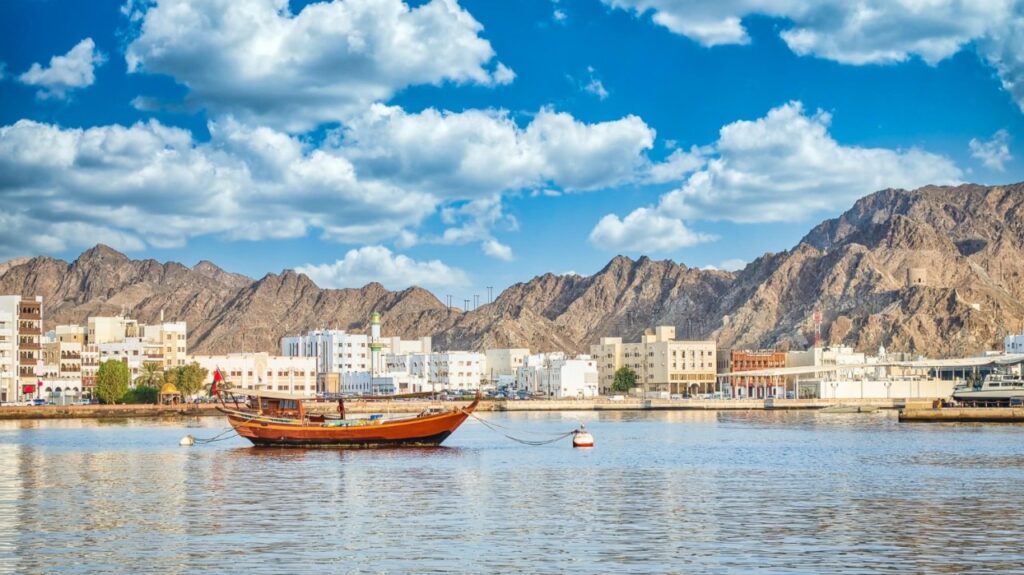
With Oman’s long coastline, many projects in Oman are not far away from sea.
Coastal air, humidity, salt, and moisture can affect building materials differently from inland conditions.
Metal components may be more exposed to corrosion, while concrete and surface finishes may need better protection against moisture and salt exposure.
For coastal villas, hotels, resorts, promenades, and commercial projects, material selection should consider:
- Corrosion resistance
- Moisture resistance
- Protective coatings
- Suitable fixing systems
- Correct joint sealing
- Long-term maintenance
The complete system matters. Even a good surface material can underperform if the fixing, substructure, adhesive, or sealant is not suitable for the environment.
Waterproofing Is Essential
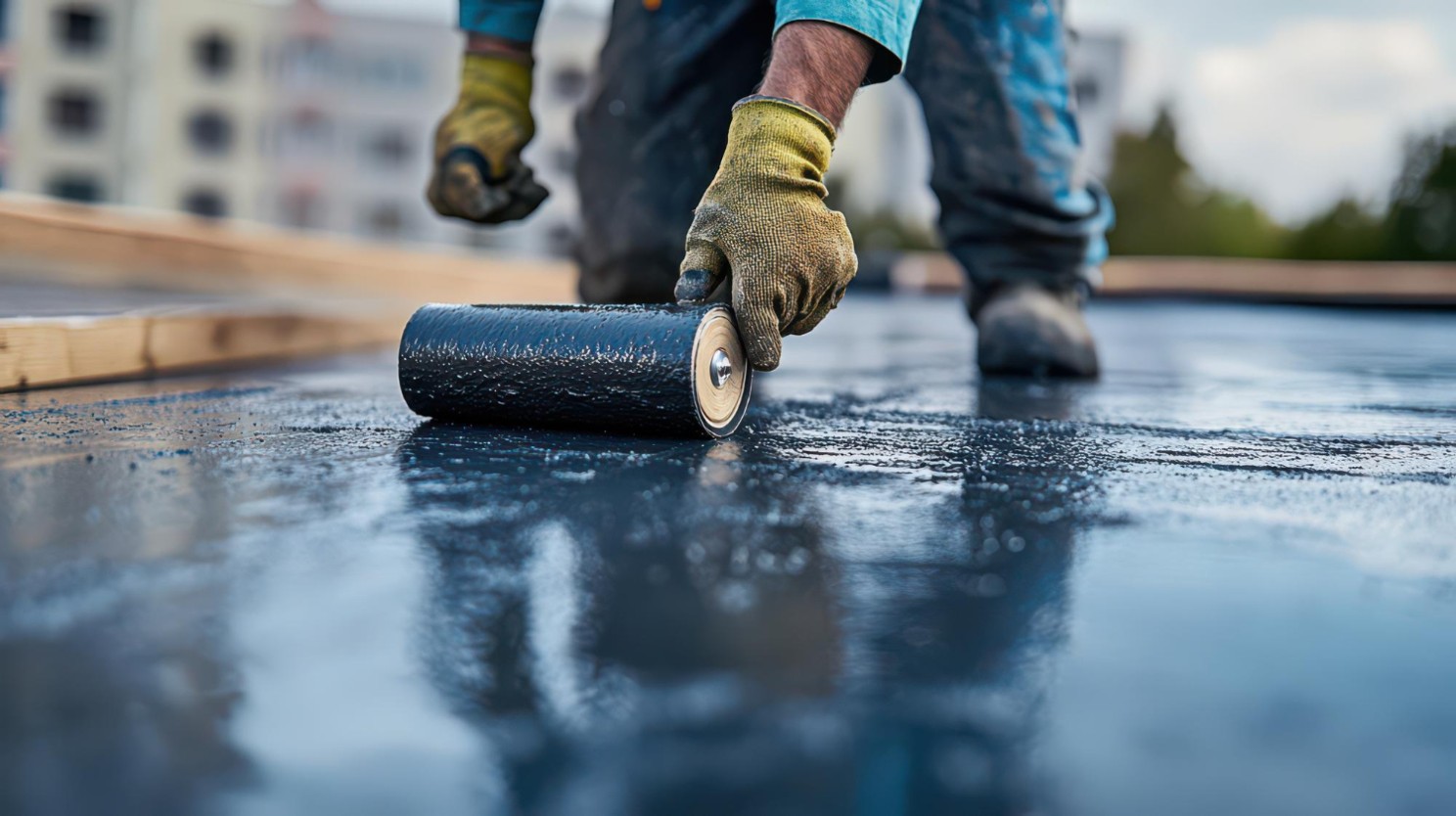
Water damage is one of the most common long-term risks in any building.
Bathrooms, roofs, balconies, terraces, swimming pools, basements, kitchens, and wet areas need proper waterproofing before the final finish is installed.
Oman’s climate demands more from building materials.
High temperatures, strong UV exposure, coastal conditions, moisture, and daily wear can all affect long-term performance. That is why the right material must offer more than good looks — it needs durability, protection, and suitability for the environment.
From waterproofing and sealants to tiles, construction chemicals, and outdoor materials, correct selection and installation can make a major difference to how a building performs over time.
Read our latest blog to understand what makes a building material suitable for Oman’s climate.
#AlAmana #BuildingMaterials #OmanConstruction #Waterproofing #OmanInteriorsWithout suitable waterproofing, moisture can lead to:
- Leakage
- Dampness
- Paint damage
- Tile failure
- Concrete deterioration
- Corrosion
- Expensive repairs
Construction chemical solutions such as waterproofing systems, repair materials, grouts, and protective coatings help protect buildings from hidden damage.
For projects in Oman, waterproofing should be treated as part of the main construction system, not as an optional finishing step.
Sealants Help Buildings Handle Movement
Buildings naturally move slightly due to heat, load, settlement, and material expansion.
In a hot climate, this movement can become especially important.
Sealants are used around joints and gaps to allow controlled movement while helping prevent water, dust, and moisture from entering.
They are commonly used in:
- Expansion joints
- Facades
- Windows
- Doors
- Floor joints
- External walls
- Balconies
- Commercial areas
The correct sealant must match the type of movement, surface material, and exposure conditions.
Using the wrong product can lead to cracking, separation, or early failure.
Outdoor Materials Need More Than Good Design
Outdoor spaces are becoming more important in modern homes, villas, hotels, and hospitality projects.
Pool decks, terraces, balconies, rooftops, garden areas, and outdoor walkways all need materials that can perform under direct exposure.
For outdoor applications, consider:
- Heat resistance
- UV stability
- Moisture resistance
- Slip resistance
- Surface temperature
- Maintenance needs
- Drainage
- Fixing method
Outdoor decking systems, porcelain tiles, and other exterior solutions should be selected specifically for outdoor use.
A material that performs well inside the home may not be suitable for a terrace or pool deck.
Tiles Should Be Selected According to Application
Tiles are widely used in Oman because they offer durability, easy maintenance, and design flexibility.
But not every tile is suitable for every area.
Indoor living rooms, bathrooms, hotel lobbies, balconies, and external walkways all have different requirements.
For example:
- Polished tiles may work well in dry interiors
- Matt or textured tiles may be better for wet areas
- Porcelain tiles can be suitable for high-traffic applications
- Outdoor tiles need the correct technical specification
- Pool areas need surfaces with suitable grip
The right choice should consider both design and performance.
Durability Is About the Complete System
A common mistake is to judge a material only by the product itself.
Long-term performance depends on the complete system.
This includes:
- Material quality
- Surface preparation
- Adhesive
- Waterproofing
- Grout
- Sealant
- Substructure
- Fixings
- Installation method
- Maintenance
For example, premium outdoor decking still needs a suitable substructure and correct installation. High-quality tiles need the right adhesive and surface preparation. Waterproofing must be applied correctly to perform as intended.
Good materials and good workmanship must work together.
Maintenance Should Be Considered Before Selection
Every material requires some level of maintenance.
Before selecting a product, project teams should ask:
- How often will it need cleaning?
- Will the surface fade?
- Can damaged sections be replaced?
- Are spare parts available?
- Does it require resealing or recoating?
- Is specialist maintenance required?
For hotels, commercial projects, and large developments, maintenance can significantly affect long-term operating cost.
A slightly more expensive material may provide better value if it requires less repair and lasts longer.
Materials for Villas
Villa projects often combine indoor and outdoor areas.
Common requirements include:
- Premium tiles
- Bathroom fittings
- Outdoor decking
- Pool areas
- Waterproofing
- Sealants
- Exterior finishes
For villas, the challenge is balancing luxury design with practical performance.
Materials should look premium while also being suitable for regular family use and Oman’s climate.
Materials for Hotels and Hospitality
Hotels and resorts need materials that can handle heavy use while maintaining appearance.
They must consider:
- Guest comfort
- Frequent cleaning
- Outdoor exposure
- Pool areas
- Coastal conditions
- Maintenance access
- Replacement availability
Hospitality materials should be selected not only for design but also for long-term operational performance.
Materials for Commercial Projects
Commercial buildings, showrooms, offices, retail spaces, and public areas need materials that can handle higher traffic.
Important factors include:
- Surface strength
- Cleaning frequency
- Slip resistance
- Durability
- Ease of replacement
- Consistent finish
- Maintenance cost
The right material helps reduce disruption and keeps the space looking professional for longer.
Why Technical Support Is Important
Material selection should not be based only on samples or appearance.
Technical data, installation requirements, and site conditions must also be considered.
Architects, consultants, contractors, and developers should confirm:
- Application suitability
- Temperature limitations
- Moisture resistance
- UV resistance
- Installation method
- Surface preparation
- Required accessories
- Maintenance requirements
Technical guidance helps avoid incorrect specification and future failure.
Al Amana Building Materials in Oman
Al Amana Building Materials supports projects in Oman with solutions for different areas of construction and finishing.
These include categories such as:
- Tiles
- Sanitary fittings
- Bathroom solutions
- Construction chemicals
- Waterproofing
- Sealants
- Outdoor decking
- Surface finishing products
Through established international brands and technical product support, Al Amana helps architects, consultants, developers, contractors, designers, and homeowners select materials suited to both design and performance requirements.
The goal is not only to choose a product that looks right.
It is to choose a product that performs correctly in the space where it will be used.
Final Thoughts
Oman’s climate makes material selection an important part of every project.
Heat, sunlight, coastal exposure, moisture, water, and daily use can all affect how a material performs over time.
The best building materials are those that combine:
- Durability
- Weather resistance
- UV stability
- Moisture protection
- Easy maintenance
- Correct installation
- Long-term performance
A successful project is not built by choosing materials based only on appearance.
It is built by understanding the environment, selecting the right system, and installing every component correctly.
For projects in Oman, this approach helps create buildings and outdoor spaces that look better, perform better, and last longer.
We craft seamless experiences that transform your spaces with high-quality materials and skilled expertise.
Company
Get in touch
- Head Office
- +968 24815080
- Al Amana Home - Showroom
- +968 91106036, +968 99357490
- Landline
- +968 22700146