Construction chemicals may not always be visible after a building is completed, but they play an important role in how safely and reliably the structure performs over time.
From waterproofing and concrete repair to grouts, sealants and protective coatings, each product is designed for a specific purpose. Choosing the wrong solution can lead to leakage, cracks, surface damage, maintenance problems and unnecessary repair costs.
For projects in Oman, material selection becomes even more important because buildings may face high temperatures, coastal exposure, moisture, heavy use and demanding site conditions.
The right approach is not to choose one construction chemical for every problem. It is to understand the application first and then select the right system.
Start with the Problem, Not the Product
Before selecting any construction chemical, identify what the project actually needs.
Is the requirement to stop water penetration?
Does damaged concrete need repair?
Does machinery require a stable grout beneath its base?
Does an expansion joint need to accommodate movement?
Does a concrete surface require protection against weather or chemicals?
Different problems require different solutions.
This is why architects, consultants, contractors and project teams should consider the location, surface condition, exposure, expected movement and long-term performance requirements before selecting a product.
Waterproofing for Areas Exposed to Water
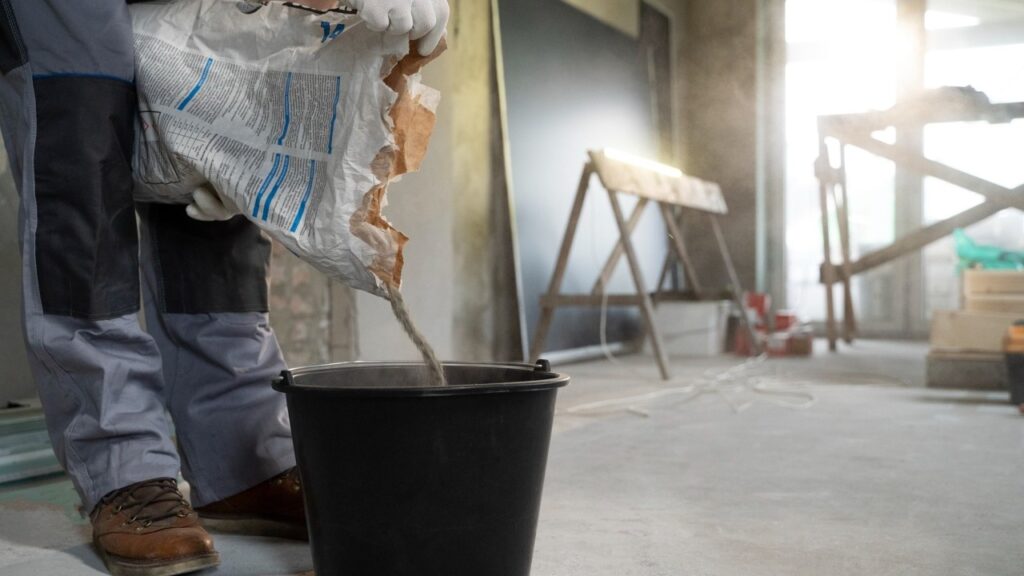
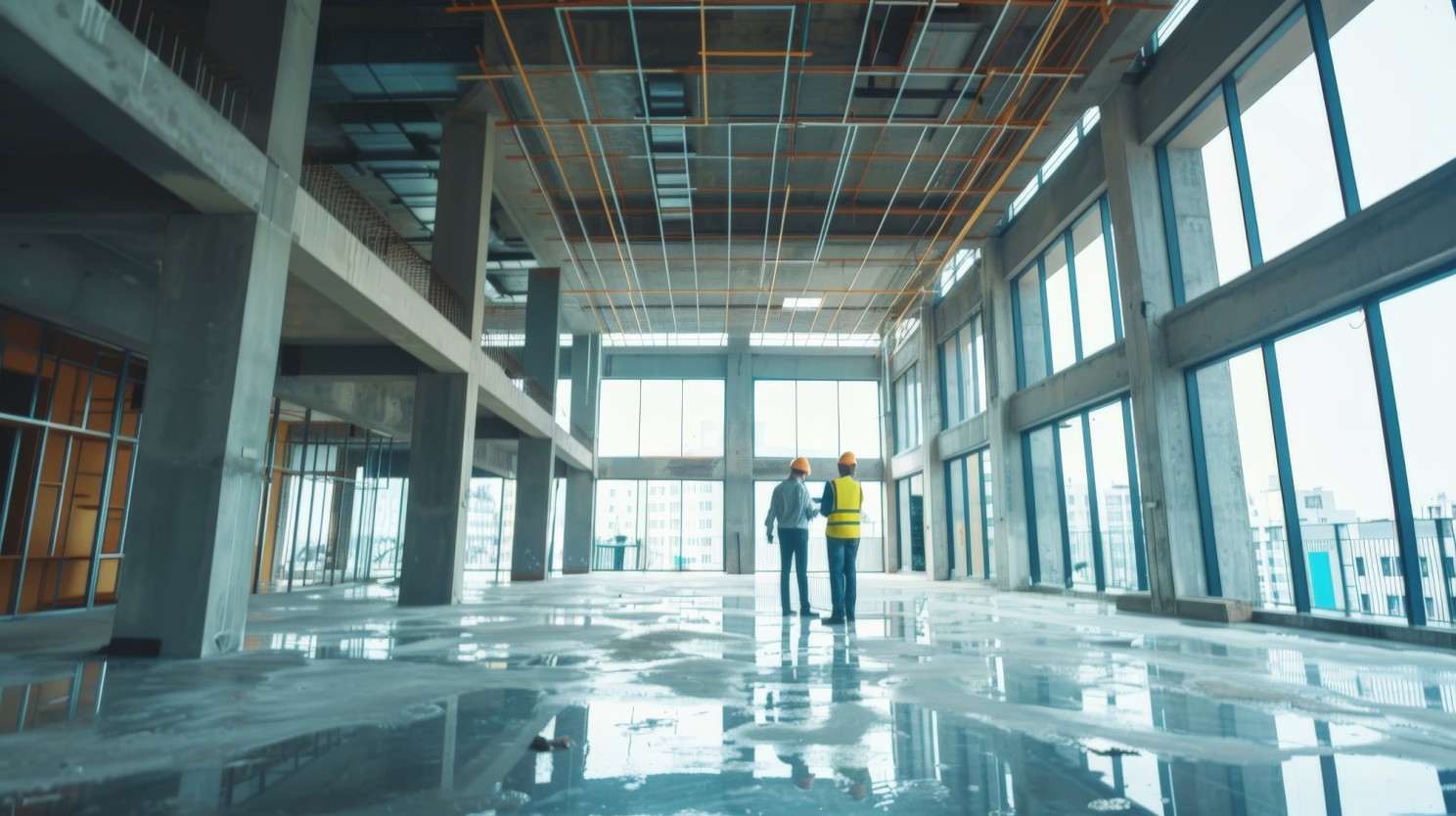
Waterproofing is essential wherever water or moisture can enter the structure.
Common applications include:
- Bathrooms
- Roofs
- Terraces
- Balconies
- Basements
- Water tanks
- Swimming pools
- Wet areas
Poor waterproofing can eventually result in dampness, damaged finishes, leakage, corrosion and expensive repairs.
The correct waterproofing system should therefore be selected according to the substrate, location and level of water exposure.
A bathroom waterproofing requirement may be different from a basement or water-retaining structure.
Concrete Repair for Damaged Structures
Concrete can deteriorate because of cracking, water penetration, reinforcement corrosion, impact, ageing or environmental exposure.
Concrete repair products help restore damaged sections and protect the structure from further deterioration.
They can be required for:
- Columns
- Beams
- Slabs
- Parking structures
- Commercial buildings
- Industrial facilities
- Infrastructure
- Older buildings
Successful concrete repair requires more than simply filling a crack.
The cause of the damage should first be understood. Loose or damaged concrete needs proper preparation before the appropriate repair system is applied.
Grouts for Strength and Stability
Grouts are commonly used where loads need to be transferred properly or gaps must be filled beneath structural or mechanical elements.
Applications can include:
- Machinery foundations
- Base plates
- Structural columns
- Anchors
- Precast elements
- Industrial equipment
The grout selected should suit the expected load, gap dimensions and site conditions.
For industrial projects in particular, correct grouting helps equipment remain stable and properly supported.
Sealants for Joints and Movement
Buildings are constantly exposed to small movements caused by temperature changes, loading, settlement and expansion.
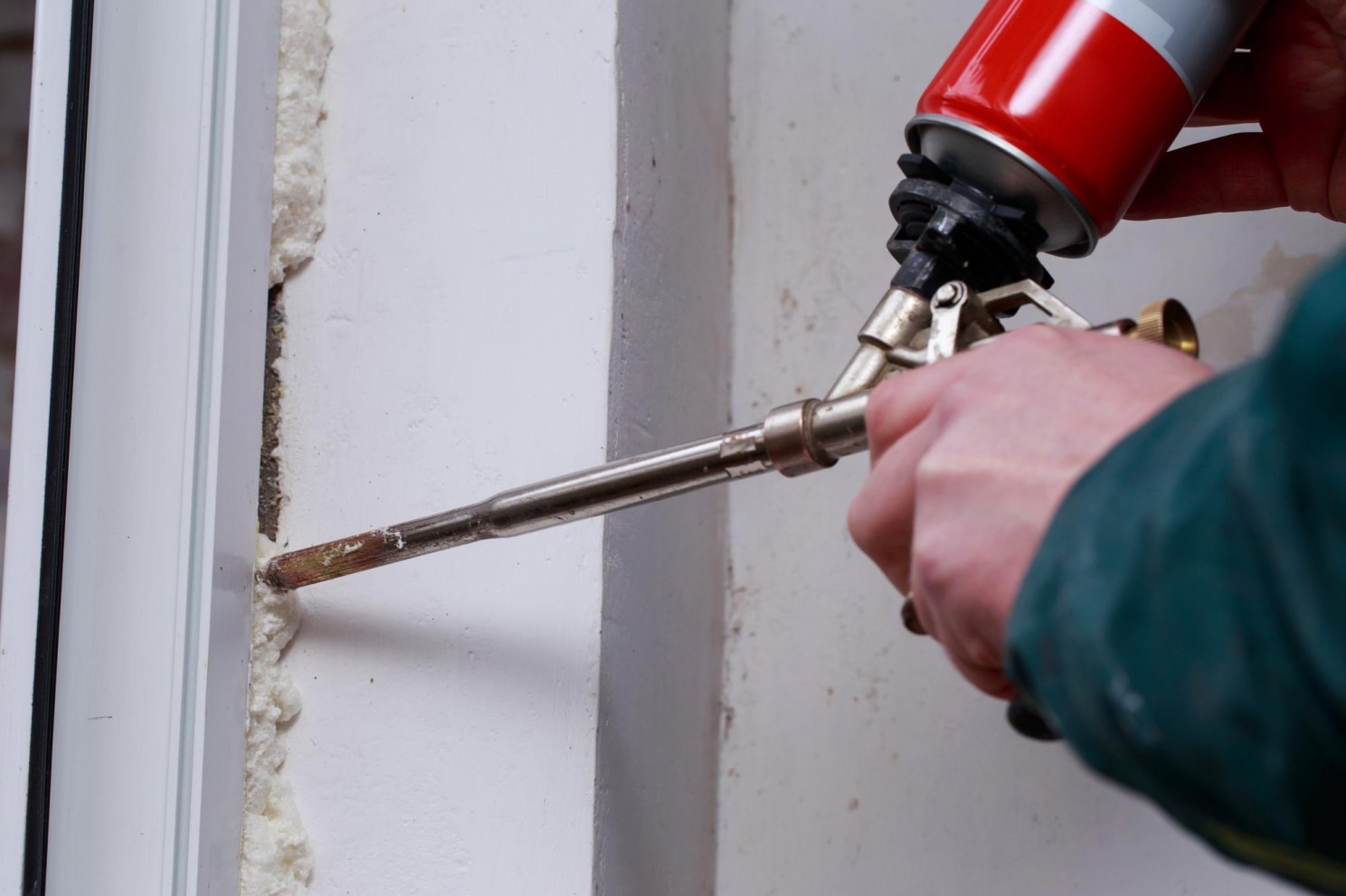
Sealants help accommodate this movement while protecting joints from water, air and dust.
Typical applications include:
- Expansion joints
- Facades
- Windows and doors
- Floor joints
- External walls
- Parking areas
- Balconies
The amount and type of movement should be considered before choosing a sealant.
A product suitable for an internal joint may not necessarily be appropriate for an exterior joint exposed to heat, UV radiation and moisture.
Protective Coatings for Longer Surface Life
Concrete and other surfaces sometimes need additional protection from weather, chemicals, abrasion or moisture.
Protective coatings can help reduce deterioration and extend surface life.
They are commonly considered for:
- Parking areas
- Industrial facilities
- Commercial projects
- Exposed concrete
- Water-related structures
- High-use areas
Choosing the right coating depends on the surface, exposure and expected level of wear.
Residential Projects Have Different Requirements
For villas and apartments, common construction chemical requirements may include:
- Bathroom waterproofing
- Terrace waterproofing
- Roof protection
- Tile-related systems
- Joint sealants
- Minor concrete repairs
For homeowners and residential developers, preventing leakage is especially important because water-related problems can damage both the structure and expensive interior finishes.
Products should be easy to maintain and suitable for long-term residential use.
Commercial Projects Need Durability
Hotels, offices, malls, restaurants and other commercial spaces often face higher usage than private homes.
The construction chemical system needs to support:
- Frequent foot traffic
- Regular cleaning
- Wet areas
- Movement joints
- Parking areas
- Exterior exposure
Commercial properties also need to minimise maintenance disruptions.
A waterproofing or flooring failure in a hotel, retail space or office building can affect daily operations as well as repair costs.
Long-term performance should therefore be considered during initial product selection.
Industrial Projects Require Technical Performance
Industrial projects can have more demanding requirements.
Factories, warehouses, workshops and infrastructure projects may involve:
- Heavy machinery
- Chemical exposure
- High loads
- Industrial flooring
- Structural repairs
- Heavy-duty grouting
- Protective coatings
In these environments, products should be selected according to their technical performance rather than appearance alone.
Correct specification, surface preparation and application become especially important.
Why Fosroc Solutions Are Relevant
Fosroc provides construction chemical solutions across categories such as waterproofing, concrete repair, grouts, sealants, protective coatings, industrial flooring and concrete-related applications.
This allows different products to be selected according to the actual requirement of the project rather than relying on one general solution.
For Oman projects, this is useful because residential, commercial and industrial developments can face very different technical conditions.
A villa bathroom, hotel basement and industrial machinery foundation may all require construction chemicals, but each requires a different system.
Correct Application Is as Important as Product Selection
Even a high-quality construction chemical can fail if it is applied incorrectly.
Important factors include:
- Surface preparation
- Mixing
- Application thickness
- Temperature
- Moisture conditions
- Curing
- Joint preparation
- Manufacturer instructions
Project teams should always follow the recommended application procedure and technical data for the selected product.
Good material and good workmanship must work together.
Think About Long-Term Maintenance
Construction chemicals should also be selected with future maintenance in mind.
Consider:
- Expected service life
- Ease of inspection
- Repair requirements
- Product compatibility
- Exposure conditions
- Availability of technical support
The cheapest initial solution may not always be the most economical over the life of the building.
A correctly selected system can help reduce future repairs and protect the value of the property.
Al Amana and Fosroc in Oman
Al Amana Building Materials provides Fosroc construction chemical solutions for projects in Oman.
The range supports different requirements across residential, commercial and industrial developments, including waterproofing, concrete repair, grouting, sealing and surface protection.
Al Amana also supports architects, engineers, consultants, contractors and developers in selecting products according to project requirements.
This technical guidance is important because construction chemicals should always be matched to the specific application and site conditions.
Final Thoughts
There is no single construction chemical suitable for every project.
The correct solution depends on:
- The problem being addressed
- Type of structure
- Environmental exposure
- Surface condition
- Movement
- Water exposure
- Expected load
- Maintenance requirements
Residential projects may focus heavily on waterproofing and sealing. Commercial projects need durability and easy maintenance. Industrial projects often demand higher technical performance from grouts, coatings and repair systems.
For projects in Oman, understanding these differences helps create buildings that are better protected and designed for longer service life.
The right construction chemical is not simply another building product.
It is part of the system that protects the building for years to come.
We craft seamless experiences that transform your spaces with high-quality materials and skilled expertise.
Company
Get in touch
- Head Office
- +968 24815080
- Al Amana Home - Showroom
- +968 91106036, +968 99357490
- Landline
- +968 22700146